Cybertruck Noise Reduction Kit Review: Does It Actually Work?
Cybertruck noise reduction kit
A noise reduction kit needs real before-and-after testing because the value depends on measurable cabin noise and whether installation creates any downsides.
Who Should Buy This?
Best for
- Cybertruck owners chasing a quieter cabin
- Drivers who do a lot of highway driving
- Owners interested in before-and-after improvement testing
Skip or double-check if
- Anyone expecting luxury-sedan silence from a simple kit
- Owners who do not want to install seals or trim pieces carefully
Review Scorecard
Install time45-90 minutes
Tools neededClean install surfaces Scissors or trim tool if required Patience for even placement
Install difficultyModerate
FitmentConfirm kit and production-year fitment
ValueDepends on measured noise improvement
Would buy again?Yes if highway noise bothers you
Pros and Cons
Pros
- Addresses a practical comfort concern
- Before-and-after testing is compelling
- Relevant to daily Cybertruck use
Cons
- Results may be subjective
- Install quality can affect outcome
Quick Take
A Cybertruck noise reduction kit is meant to solve one of the more common owner complaints: unwanted wind noise, vibration, or cabin sound that makes the truck feel less refined than expected. These kits can be useful, but expectations matter. They are not magic, and the results depend heavily on the specific noise source and install quality.
If your Cybertruck has a particular whistle, rattle, or wind-noise area, a kit may help. If you are hoping to make the truck silent in every situation, you may be disappointed.
What The Video Covers
The video looks at the noise reduction kit from a practical install-and-test perspective. That is important because sound-related accessories are hard to judge from photos. The only useful question is whether the truck feels better after installation.
Noise issues can come from seals, panel gaps, trim pieces, tires, road texture, mirrors, roofline airflow, or items stored inside the vehicle. A kit may address one or more of those areas, but it is always worth identifying the problem before throwing parts at it.
What These Kits Can Help With
- Some wind noise around specific trim or seal areas.
- Minor vibration or resonance from panels or gaps.
- A less finished sound around certain edges or openings.
- Owner annoyance from a known repeatable noise source.
Install Considerations
Take your time with any adhesive-backed or seal-based noise kit. Clean the surface well, test placement before pressing anything permanently, and avoid blocking drainage, moving parts, sensors, or factory seals. A rushed install can create fitment problems or make the accessory look messy.
It is also smart to test the truck before and after on the same stretch of road at similar speeds. That gives you a better sense of whether the kit actually changed anything.
Pros
- Can reduce specific wind or trim-related noises.
- May make the cabin feel more refined on highway drives.
- Usually less expensive than chasing the issue through a service visit.
- Good option if the video matches the exact noise problem you are hearing.
Potential Drawbacks
- Results can vary from truck to truck.
- Install quality matters a lot.
- It may not solve tire, road, suspension, or cargo-related noise.
- Some kits can look aftermarket if not installed cleanly.
Related Cybertruck Accessories
If your goal is making the truck feel more refined, noise reduction pairs well with better storage organization and bed protection. See the Best Cybertruck Accessories page for a broader list of upgrades we recommend comparing.
Final Verdict
A Cybertruck noise reduction kit is worth considering if you have a specific sound issue and the kit targets that area. The best results come from careful installation and realistic expectations. If the problem is wind or trim related, it may help. If the sound comes from tires, cargo, or road surface, the improvement may be limited.
Related Reviews
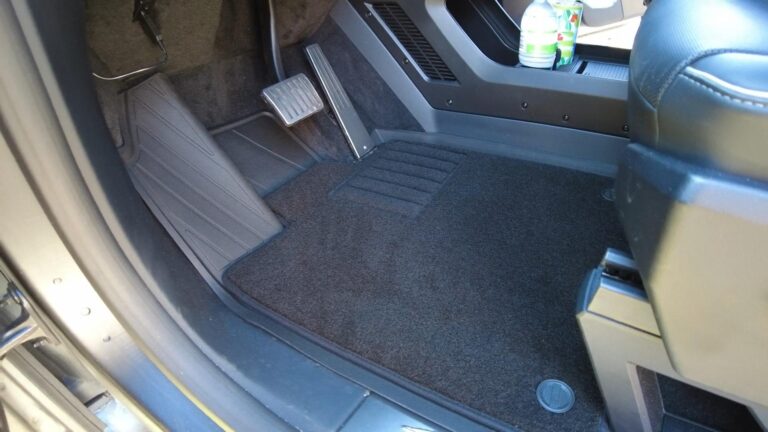
3W Cybertruck Floor Mats Review: Fit, Coverage, and Coupon
Vehicle-specific liners with raised edges and easy-clean coverage for Cybertruck owners who deal with water, dirt, pets, or work use.
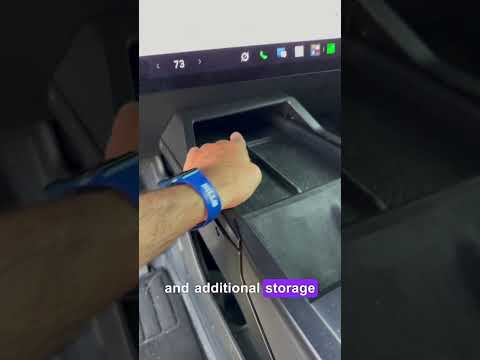
Cybertruck Lower Console Storage Box Review: Fixing Wasted Space
A practical organizer that turns the Cybertruck lower console opening into two cupholders and useful covered storage.

3W Cybertruck Bed Mat Review: This Should Be on Every Cybertruck Owner Shortlist
The 3W Cybertruck bed mat looks factory, fits perfectly, keeps under-bed storage accessible, and dramatically reduces cargo sliding. With coupon…