How Much Does It Cost to Charge a Tesla Model Y at Home?
May 24, 2026 by evadmin
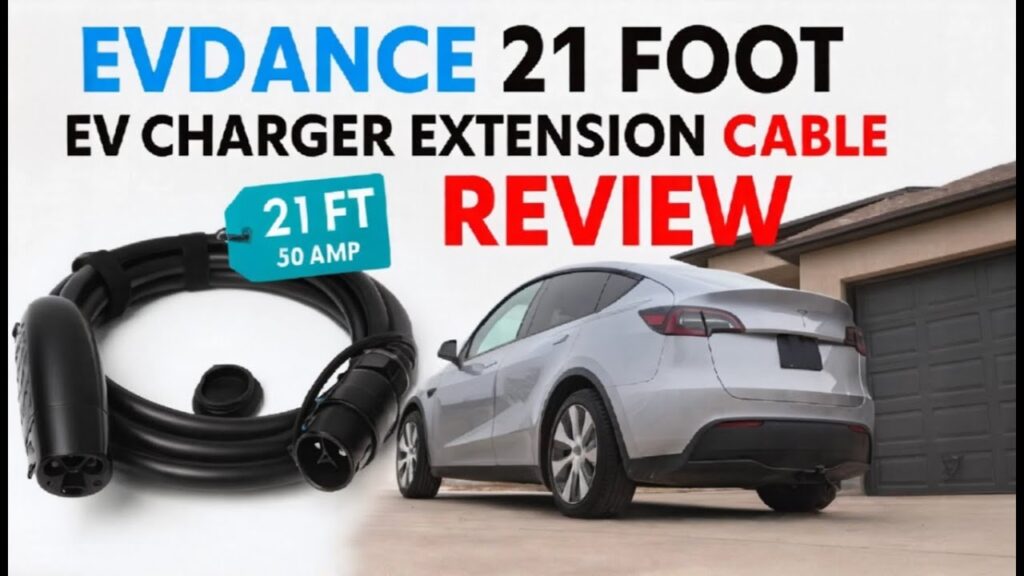
If you are shopping for a Tesla Model Y, one of the first questions is simple: how much will it actually cost to charge at home? The answer depends on your electricity rate, how many miles you drive, and how efficiently the vehicle is driven, but you can get a useful estimate with a few numbers.
The Quick Formula
A simple estimate is: miles driven multiplied by kWh per mile, then multiplied by your electricity rate. For example, if you drive 1,000 miles in a month and use an estimate around 0.28 kWh per mile, that is about 280 kWh of electricity before charging losses. Multiply that by your local cost per kWh to estimate the energy cost.
Real-world results vary because speed, weather, tire pressure, elevation, HVAC use, and charging losses all matter. Still, this formula is good enough to compare EV charging against gasoline costs before you buy.
Use the EV Gear Guide Calculator
The easiest path is to use our EV Savings Calculator. It includes presets for common EVs, including Tesla vehicles, so shoppers do not need to know the exact kWh-per-mile number before getting started.
What Changes the Monthly Cost?
- Electricity rate: Home charging is usually cheapest when you charge during off-peak hours, if your utility offers time-of-use pricing.
- Driving miles: More miles means more savings potential compared with gas, but also a higher monthly charging bill.
- Weather: Cold weather and high-speed highway driving can increase energy use.
- Charging location: Home charging is usually cheaper than frequent public fast charging.
Charging Cost vs Gas Cost
The point is not that electricity is free. It is that EV charging can be much more predictable than gasoline spending, especially when most charging happens at home. Gas prices can jump quickly, while a home electricity rate is easier to plug into a monthly ownership estimate.
FAQ
Is charging a Model Y at home cheaper than gas?
For many drivers, yes, especially when home electricity is reasonably priced and most charging happens overnight. Use your local electricity and fuel prices for the most accurate comparison.
Do I need a wall connector?
Not always. Some owners do fine with a portable charger, while others prefer a dedicated wall connector for convenience. See our portable charger vs wall connector guide.
What if I cannot charge at home?
The math changes. Public fast charging is convenient, but it can reduce or erase the fuel-cost advantage if it is your primary charging method.
Next step: Run your own numbers with the EV Savings Calculator, then browse our EV charging gear guide.